For most parents, hearing their child say “Mommy” or “Daddy” is a milestone they never forget. For Yosef, it took a different path to get there.
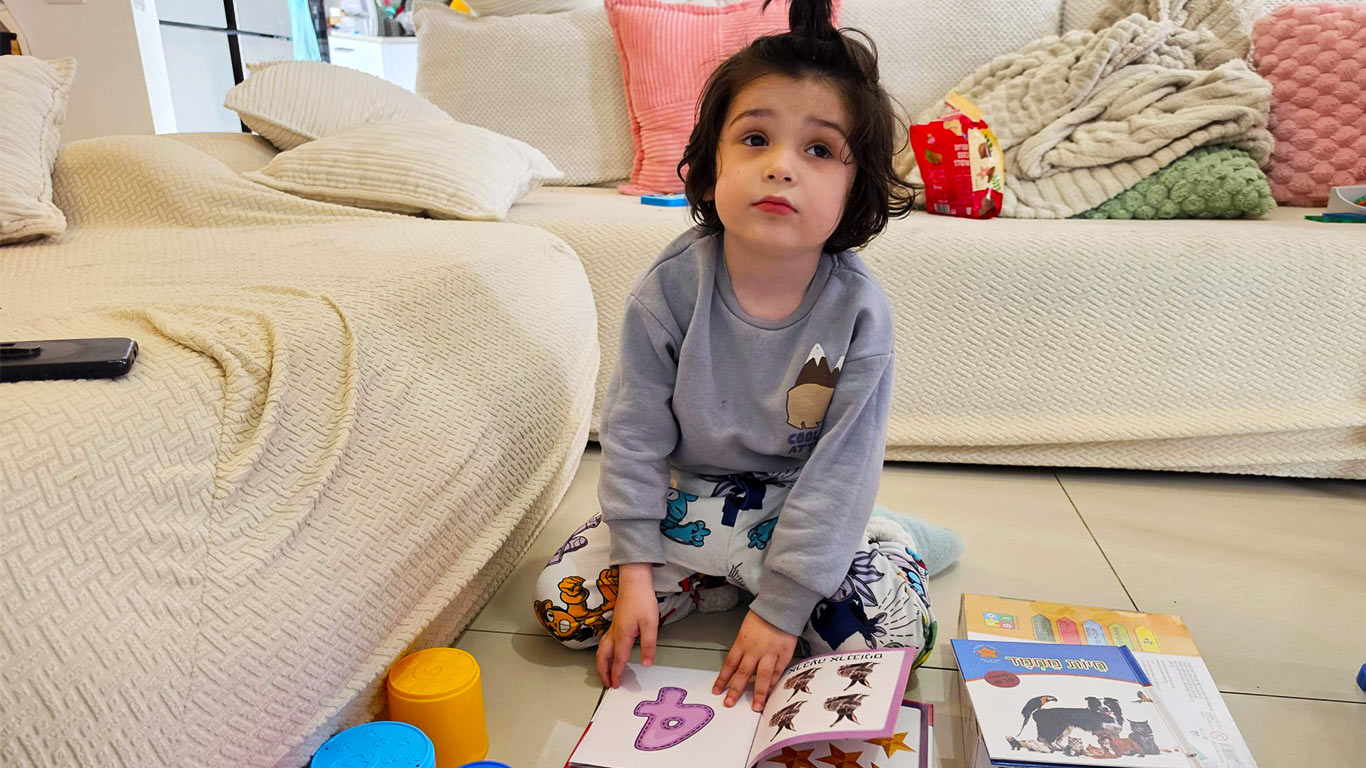
Yosef is a two-and-a-half-year-old boy with autism and apraxia, a motor planning disorder that makes speech extremely difficult. Although he understood much of what was happening around him, he struggled to communicate even his most basic needs. At mealtimes, frustration often took over.
“For a long time, every meal was filled with frustration,” recalls Hagar Baratz, Speech-Language Pathologist at the Chimes Israel Holland Rehabilitative Early Childhood Center in Tel Aviv. “He would push away his plate or cry, and we struggled to understand how to help him.”
A Small Breakthrough That Changed Everything
Like many young children with complex communication challenges, Yosef wanted to connect with the people around him. He simply lacked the tools to do so. Everything began to change when therapists introduced a simple communication board featuring pictures and words such as “more,” “bread,” and “no.” One day, Yosef looked at the food cart and pointed to the picture for “more” next to a food he loved.
“It may have seemed like a small moment to others,” says Hagar, “but for Yosef, it was the first time he understood that people could hear him even without words.”
That breakthrough changed far more than mealtime. As Yosef realized he could communicate successfully, he became calmer, more engaged, and more confident. He began using gestures and pointing more frequently. Eventually, he spoke his first words: Ima (Mommy) and Abba (Daddy). “The more he felt heard, the more motivated he became to connect with the people around him,” Hagar explains.
When a Child Cannot Say “I Need Help”
Yosef’s story reflects a challenge faced by many children at Chimes Israel’s Holland Rehabilitative Early Childhood Center. For children with developmental disabilities, the inability to communicate means much more than silence. It can mean being unable to ask for food, express pain, seek comfort, explain fears, or participate fully in daily life.
When children cannot communicate their needs, frustration, isolation, and emotional distress often follow. Many struggle to build relationships, participate in activities, or engage fully in learning. During the earliest years of life, when brain development occurs at a remarkable pace, these barriers can affect nearly every aspect of a child’s growth.
At the Holland Center, many preschoolers have autism, cerebral palsy, Down syndrome, apraxia, or other developmental disabilities that affect speech and communication. Although they often understand much more than they can express, they lack a reliable way to share their thoughts, needs, and feelings with the people around them.
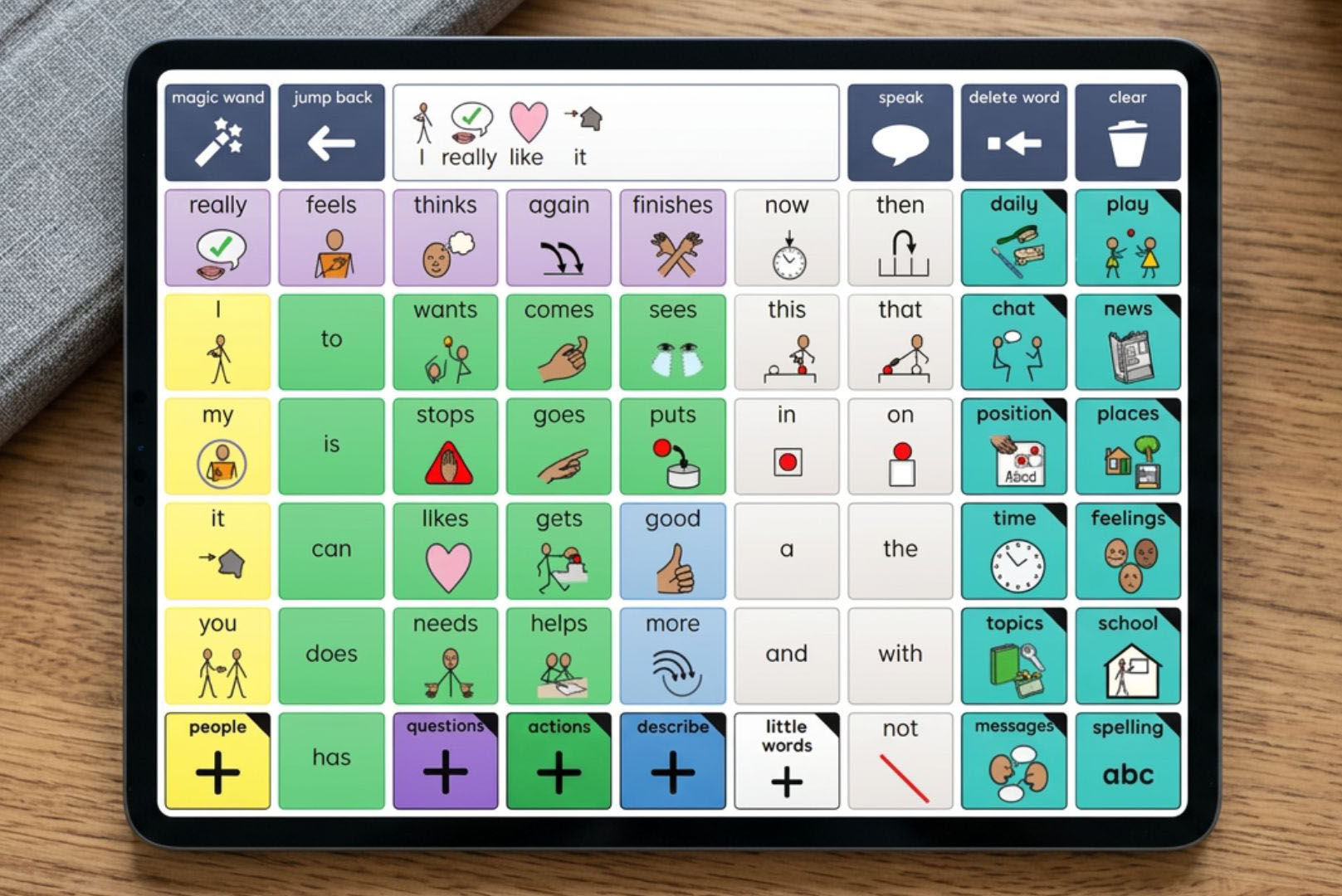
Giving Children a Voice Through Technology
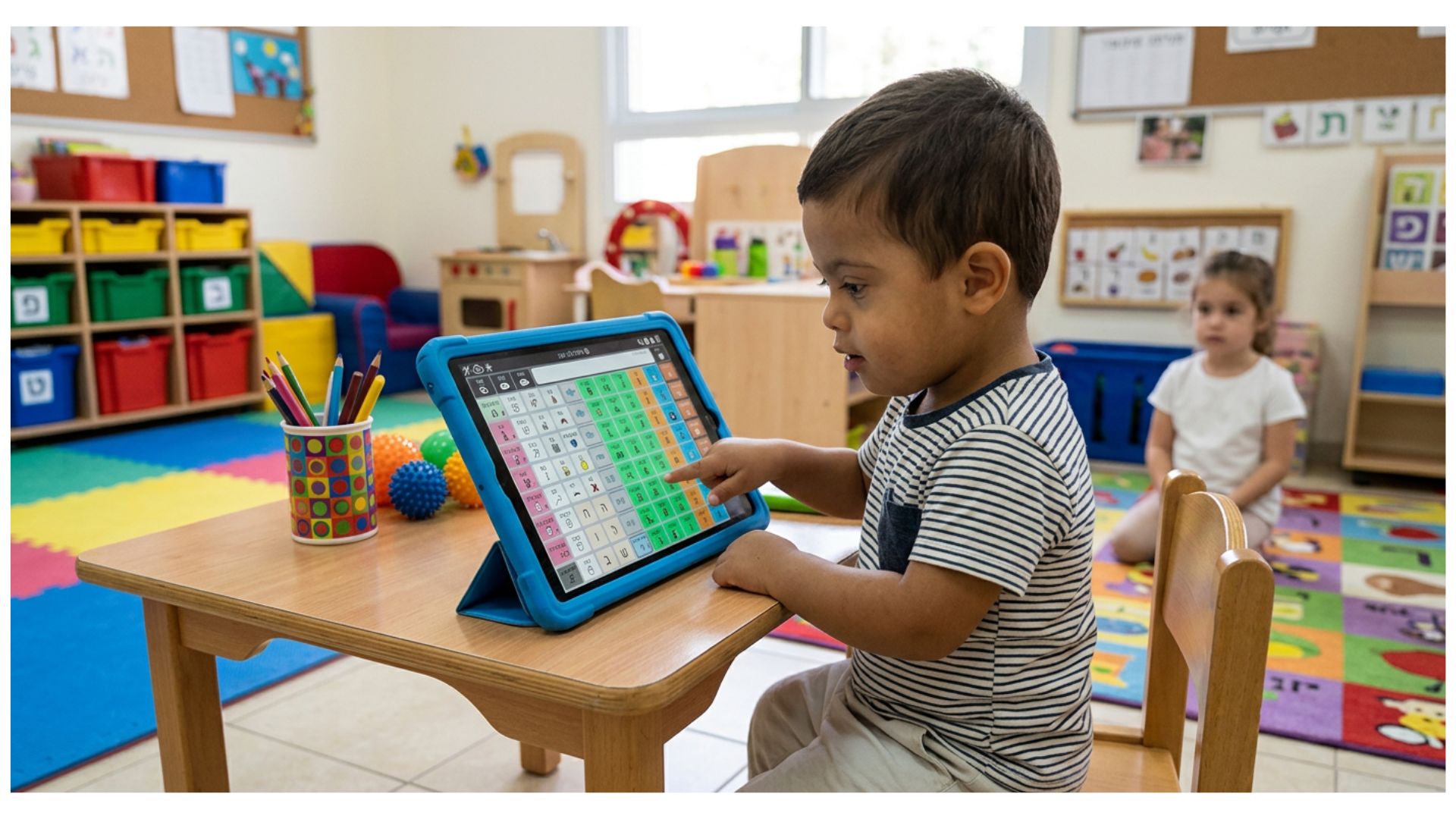
To address this challenge, Chimes Israel uses assistive communication technology that allows children to communicate through images, symbols, and voice output. Using iPads equipped with specialized communication software such as Grid 3 and TouchChat, children can express needs, make choices, ask questions, share feelings, and participate more actively in their classrooms and daily routines.
“These are children who want to communicate but simply cannot do so independently,” says Hagar. “For many, an iPad with communication software becomes the first way they are truly able to express themselves and influence the world around them.”
For some children, the technology serves as a bridge to spoken language. For others, it becomes their primary means of communication. In every case, it creates opportunities for connection, learning, and independence that might otherwise remain out of reach.
Building Communication, Confidence, and Connection
The impact of assistive communication technology extends far beyond helping a child express a need or make a choice. When children can communicate, they participate more fully in classroom activities, develop stronger relationships with peers and caregivers, regulate their emotions more effectively, and gain confidence in their ability to interact with the world around them.
For children like Yosef, communication technology does far more than help them communicate. It gives them a way to participate in daily life, build relationships, make choices, and express themselves. The ability to communicate reduces frustration, increases independence, and helps children engage more fully in learning and social interactions. “These tools do much more than help a child speak,” says Hagar. “For some children, this is the very first time in their lives they feel truly understood.”
Every day, therapists at Chimes Israel witness the transformation that occurs when a child discovers that others can understand what they are trying to say. A simple request for a favorite food, a desire for comfort, or the ability to express a feeling can open the door to greater confidence, stronger relationships, and new opportunities for development. For young children with complex communication needs, finding a voice can change the course of a lifetime.