At the start of the war while Israel’s Homefront Command ordered our centers closed, we reached out to the staff and families of all 25 centers and programs to see what could be done to help. Our most vulnerable populations were in Ashkelon, shut in their homes and air raid shelters as thousands of rockets flew toward them from Gaza. The city of Ashkelon and the people of our centers there have suffered through many operations due to the proximity to Gaza. Usually when there is an operation, the center will close from three days to a week then they go back to work.
October 7th was different. The attack left both our employees and families in chaos. Some employees were living in the Gaza area kibbutzim, hiding from the Hamas terrorists in their saferoom. The Ashkelon families were hiding because it was reported that the terrorists were also in their city on that day and days afterwards.
As the Hamas rockets were raining on Ashkelon, employees at Chimes centers were working hard to learn where everyone was and what they needed. Many had been hiding in their shelters day and night because their disabilities prevented them from making that 30-second escape to safety. Parents were struggling to care for their child with disabilities, frightened by the sirens and rockets, while they were running out of food in the house, and dealing with power outages for eight hours at a time. There were Chimes preschool children from the autism class who couldn’t sleep without melatonin. Even if they found an open store, the pharmacies and supermarkets quickly ran out of melatonin and diapers. The city was closed, it was a ghost town in the first two weeks. They needed food, diapers, and medicine, but local stores were closed and even if they were open, most could not leave their children alone to get these essentials.
The war was also putting our families and employees into dire financial straits. Several families were living hand-to-mouth due to their low paying per diem jobs. With our centers closed, their children home, and their spouses called up to the army, they had to stay home to care for their disabled children and could not earn for the family. As time passed and the war continued, we realized we had to find innovative ways to provide our services to these families that had never been more needy.
Providing Much-Needed Wartime Support
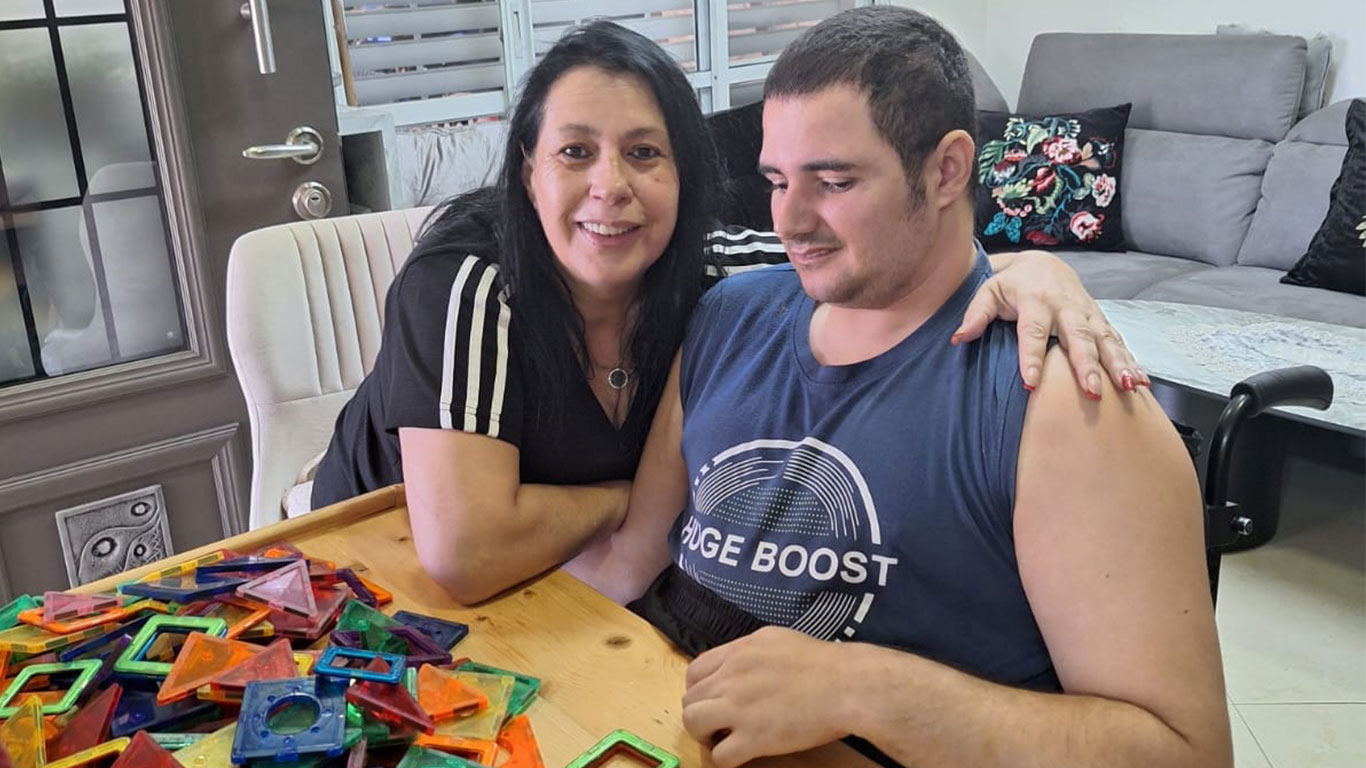
Responding to their needs early in the war, Chimes’s executive management in Tel Aviv marshalled volunteers, who cooked and delivered meals and food baskets with staples to Chimes families. They ran errands for families confined to their homes with children and adults with disabilities. This work included grocery shopping, bringing medicine, medical equipment and purchasing special food for children who can’t eat regular food.
Volunteers with accessible cars evacuated families to live with family members, guest houses, and hotels. Volunteers connected families with temporary hosts in safer cities according to their requirements. Volunteers collected donations, purchased (at their own expense), and delivered to several for several Chimes families: diapers, wipes, groceries, medicine, furniture, kitchen accessories, physical therapy equipment, developmental toys, games, books, clothing, computers, and tablets. Other volunteers made wood door barricades to protect the safe rooms against terrorists.
Due to these hardships our employees, clients and their families were experiencing, we established the wartime emergency fund. We asked donors to help, and the appeal brought us major donations from over 50 donors across North America. As a result of this, particularly the generosity of the Jewish Federation of North America, the Jewish Federation of Broward County, and the JUF/Jewish Federation of Chicago, we were able to revamp our services to provide to our Ashkelon beneficiaries much-needed wartime support.
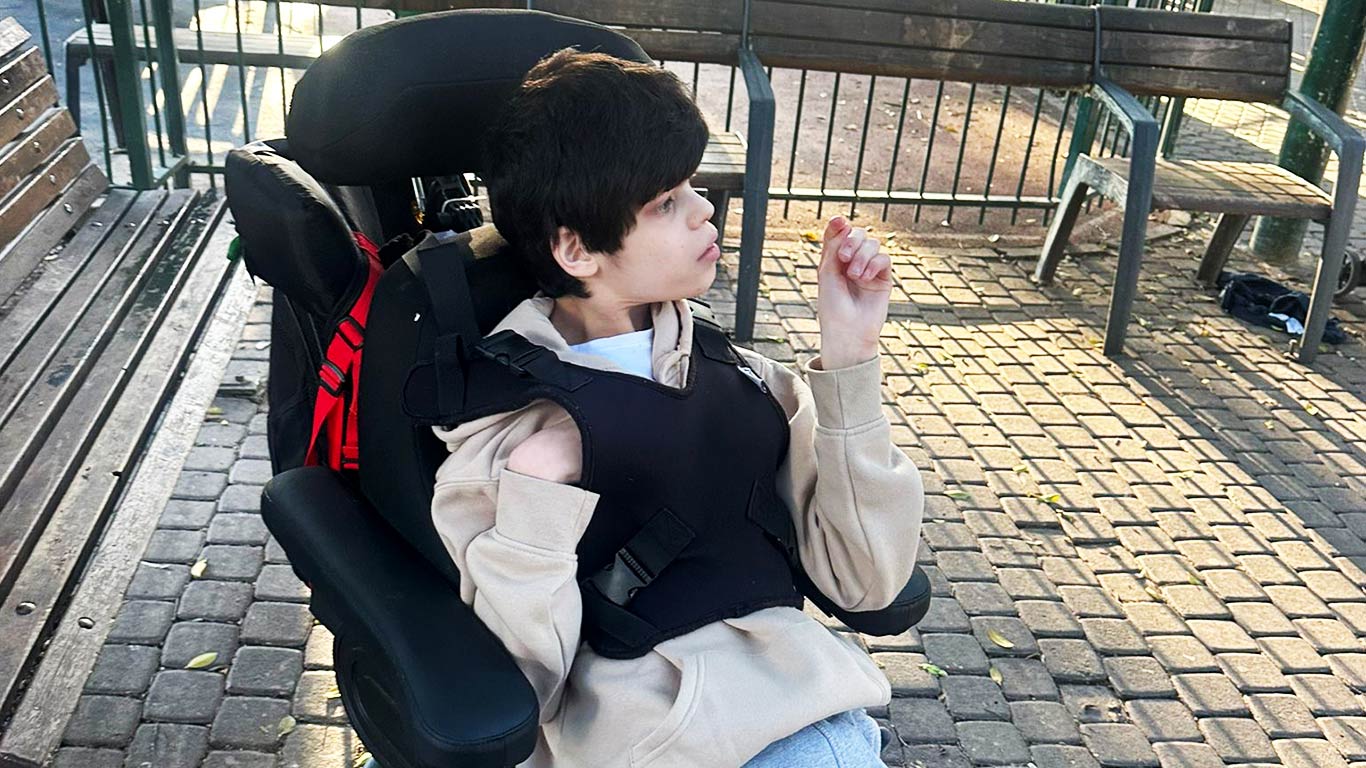
We took physical therapy equipment from our centers and brought it to the homes. We purchased and distributed additional equipment to homes, making an “equipment lending library” for emergency situations. We purchased special chairs for children who could not hold themselves upright. The chairs were critical to eating properly, and their cognitive development. Without them, the children would be lying on their backs all day and less curious since they would see less of the world from that angle. We also bought educational games and toys to occupy the children during the long hours in their saferooms during the constant rocket barrages they endured.
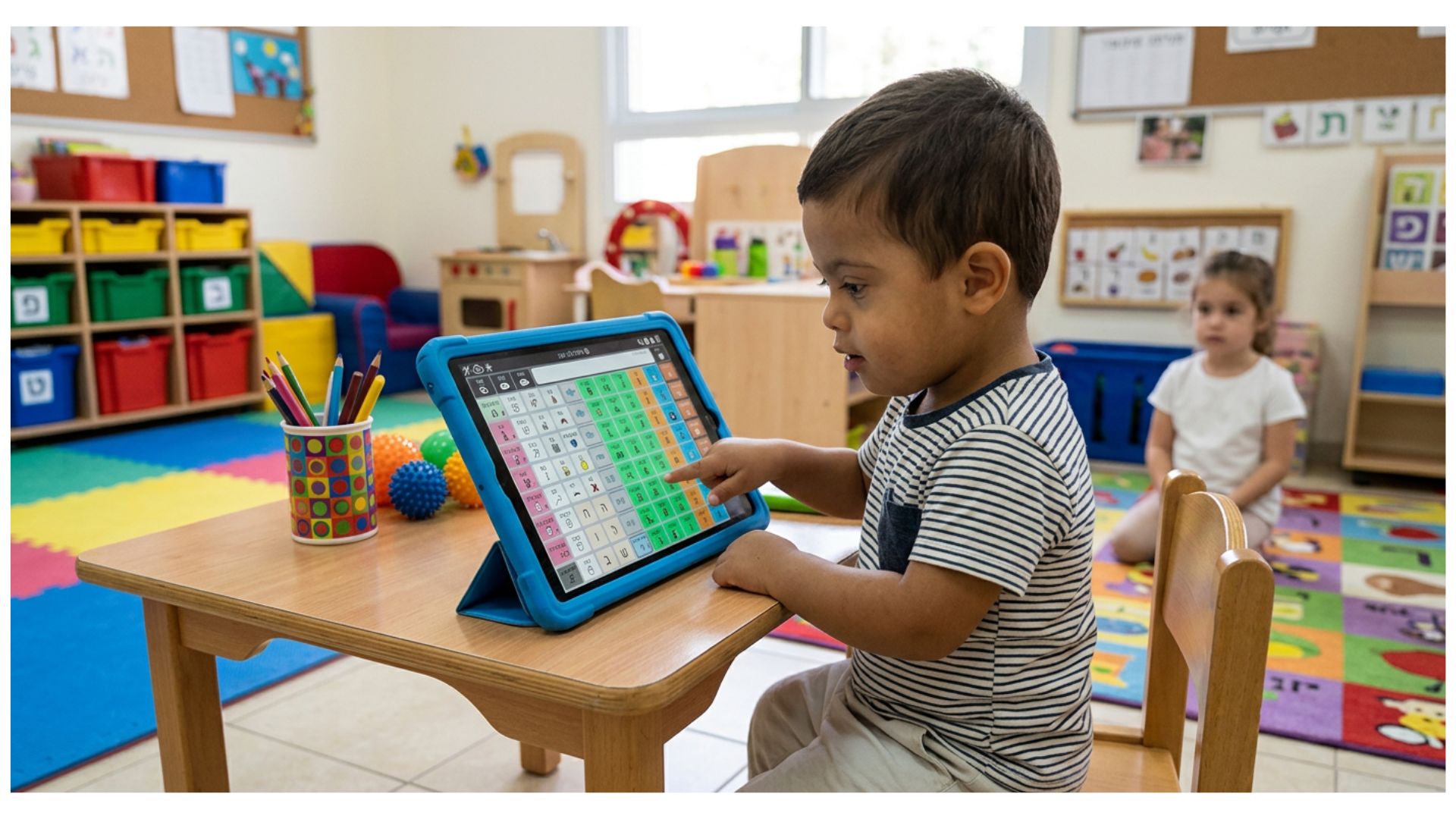
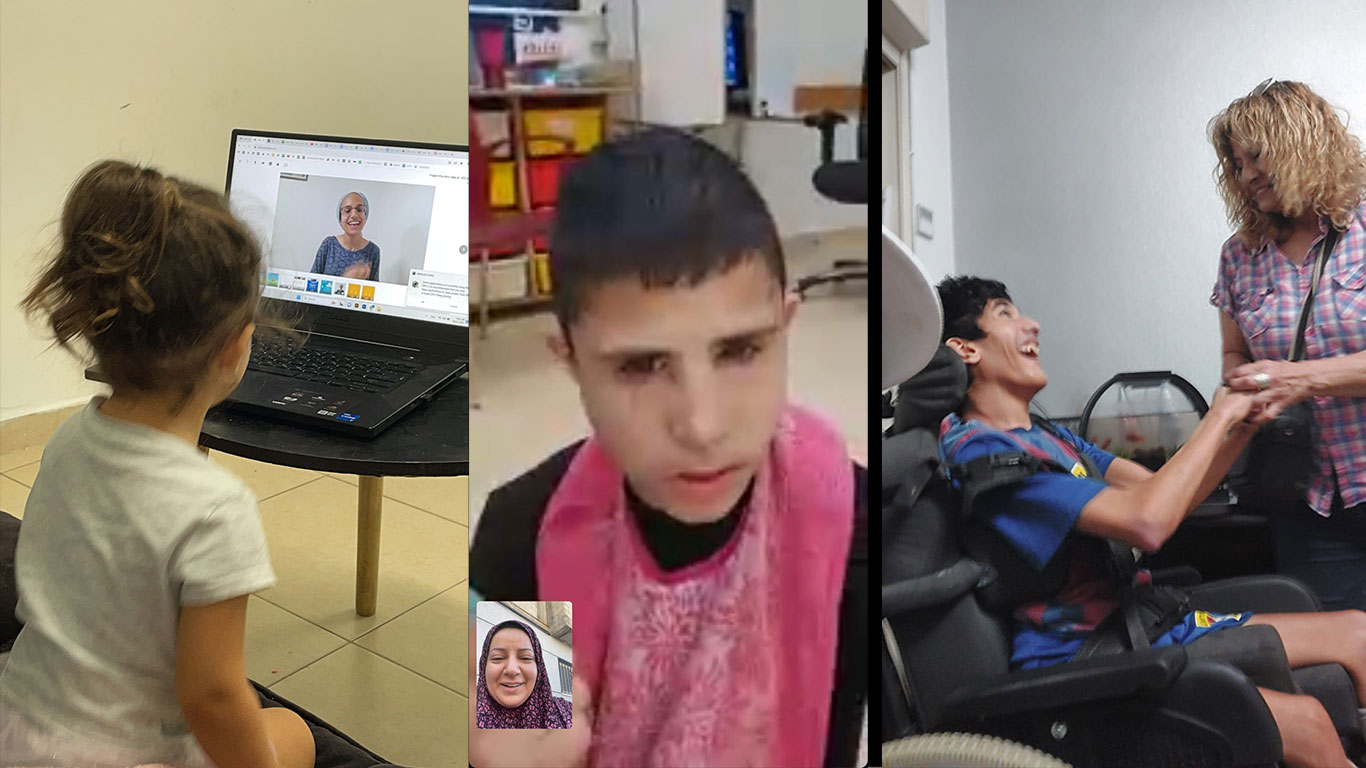
Because everyone needed to move to remote work, the fund enabled us to buy laptops for the instructors to lead Zoom meetings with their classes. Conversely, we bought iPads for the children to participate in the Zoom classes and work with the remote occupational therapists and teachers. Through technology, the professionals led the families in developmental games and activities, which they could repeat on their own independently.
In addition to the food baskets that we brought to the neediest families in the beginning, we gave all Ashkelon families and staff supermarket gift card vouchers to help them feed their families. Both evacuated and sheltering families told us that expenses were high, and the vouchers were not only a huge help but as one parent put it, “the voucher was like a hug from abroad.” Another employee said, “it was if someone from afar thinks about me, cares about me, wants to help.”
According to Anat Shachar, Director of Chimes Israel’s Shaked Early Childhood Center for children with disabilities in Ashkelon, it also took two or three weeks into the war to understand that if they don’t start working with the children in all the professional areas they will degenerate. They saw this happen during Operation “Guardian of the Walls” two and a half years ago. At that time, when they returned to work after two weeks, the children displayed significant developmental setbacks.
To raise spirits and prevent physical and mental decline, each beneficiary also received a weekly home visit. There, our staff discovered very frightened children and adults alike, due the threatening noises and reverberations of the sirens, Hamas rockets, and IDF bombs from nearby Gaza. To be able to provide emotional support to these clients, the employees received a four-hour resilience training session from the Ashkelon Resilience Center via zoom, which they told us what helpful but not enough.
Family and Staff Wartime Stories
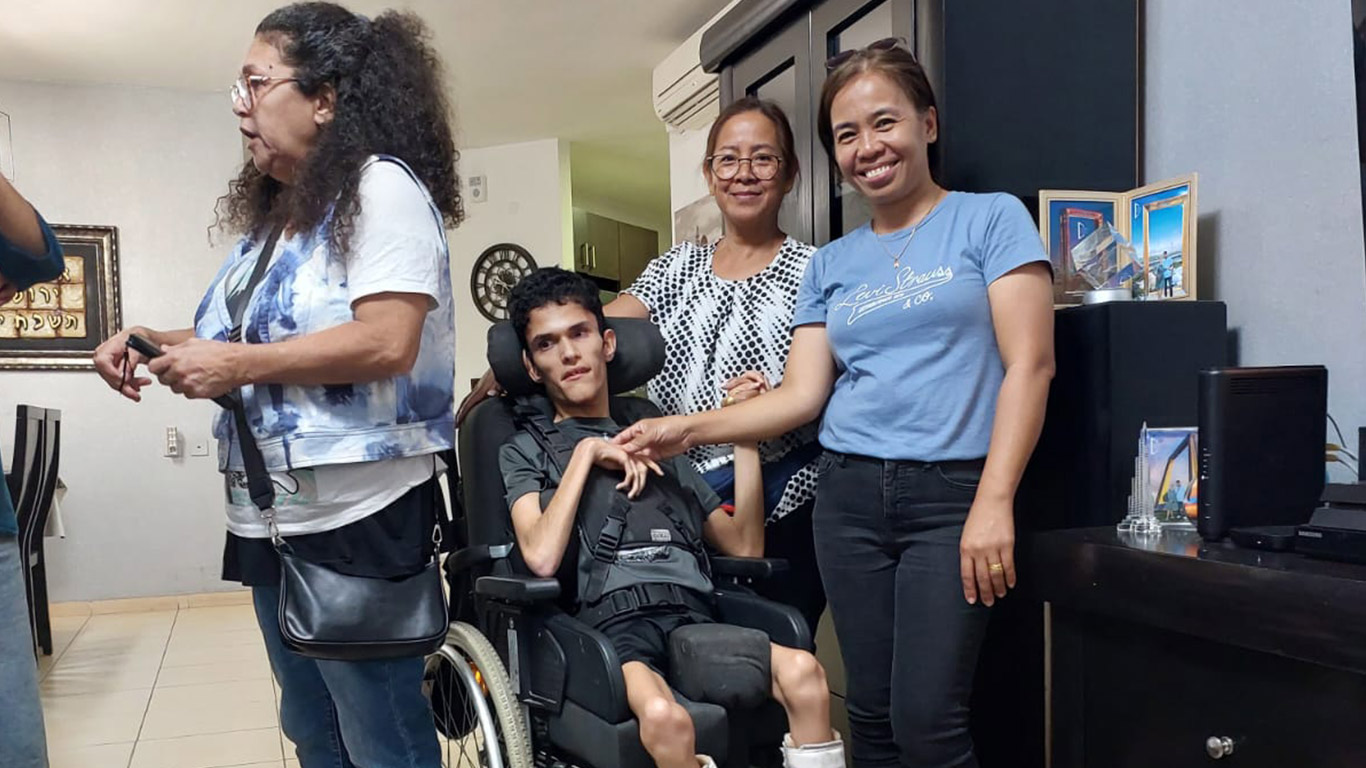
Due to the family situation of a preschool child with disabilities named Adele, we encountered several complicated challenges in getting her the services she needed. Initially, Adele disappeared for us during the war. We couldn’t reach her parents. It turned out that the mother was alone in the house with her children while her husband, an essential worker, was always at work. In addition to Adele, she had two older sons on the autistic spectrum with very low functionality. The brothers were reacting very poorly to the confinement, sirens, and explosions. They were urinating and defecating everywhere; they shouted and threw things. The mother was terribly ashamed for anyone to see the state of her home and refused our offer of home visits.
At the same time, we were very worried that Adele was not getting the care she needed. She was home for more than a month and a half unstimulated while her mother dealt with her brothers’ behavior. We tried to connect her through distance learning on iPads, but since her mother was monopolized by her needier brothers, it was impossible. We asked to send our worker who also has two autistic children, thinking that she would feel more comfortable. The mother would not accept.
Finally, we suggested that we work with Adele at the center, even though it was closed. The solution was to open the center and safe room for a small group of children whom we couldn’t visit. Paid for by the emergency fund, we sent the small group of staff members and children to the center via taxi because the door-to-door service shorted the vulnerable time outside. The day that Adele came to the daycare center was a very exciting day for everyone. The staff was finally able to engage her educationally, provide her paramedical treatments, and most importantly give her the attention she deserved.
In addition, to the disabilities families, many members of our staff were personally traumatized by the October 7th massacre and the Swords of Iron War. Lilach Tanami, a social worker for one of the children’s centers, hid with her husband and three children in their Kfar Maimon safe room for many hours on October 7th while they heard terrorists shooting outside their home. After they survived the day, they moved several times between hotels and family members’ homes. While she was going through her own ordeal, she was doing her job to be in touch with the Center families to listen and solve their problems. When relaying this information to us in an interview months later, she broke down and cried, remembering how difficult the time was for her. She would listen to the Chimes parents crying about how scared their children were due to the sirens while she was trying to calm her own frightened children, as they were under similar strain transiting from one shelter to another.
Shaked Center Director, Anat Shahar, mentioned above, told us that her aunt disappeared for two weeks before they learned that she was murdered at the Nova Festival. In addition, three of her friends were murdered at Kfar Aza and the son of a good friend from Nir Oz is a hostage in Gaza. She was also displaced for nine weeks while trying to manage the needs of the Chimes families. “It’s very, very scary and in the midst of all this you have to work and manage the daycare center, giving motivation as you hear all the parents in pain about everything they’re going through,” said Shachar.
From Trauma to Resilience
In mid-December 2023, the children began to come back to the centers in small groups, since the safe rooms were too small to host everyone. They were sent home before naptime, since if a siren occurred they would not have been able to move all of them there within 30 seconds. As of January 2024, we reopened all our centers full-time. With a recognition that we need to get through the trauma and be more prepared for other emergencies, with the help of the Emergency Fund, we are now launching organization-wide staff Resilience Training led by NATAL (National Trauma Victims) professionals. With the resilience training, we hope to see our employees improve interpersonal communication, engage in better techniques for coping with stress, and better manage security vulnerabilities and crises. As this project is still underfunded, we are seeking additional donations to the Emergency Fund to support it.